Day 2 gives you Zanzibar’s strongest cultural combination: historic Stone Town, carved doors, old streets, spice plantations, and an evening arrival at Kendwa Beach.
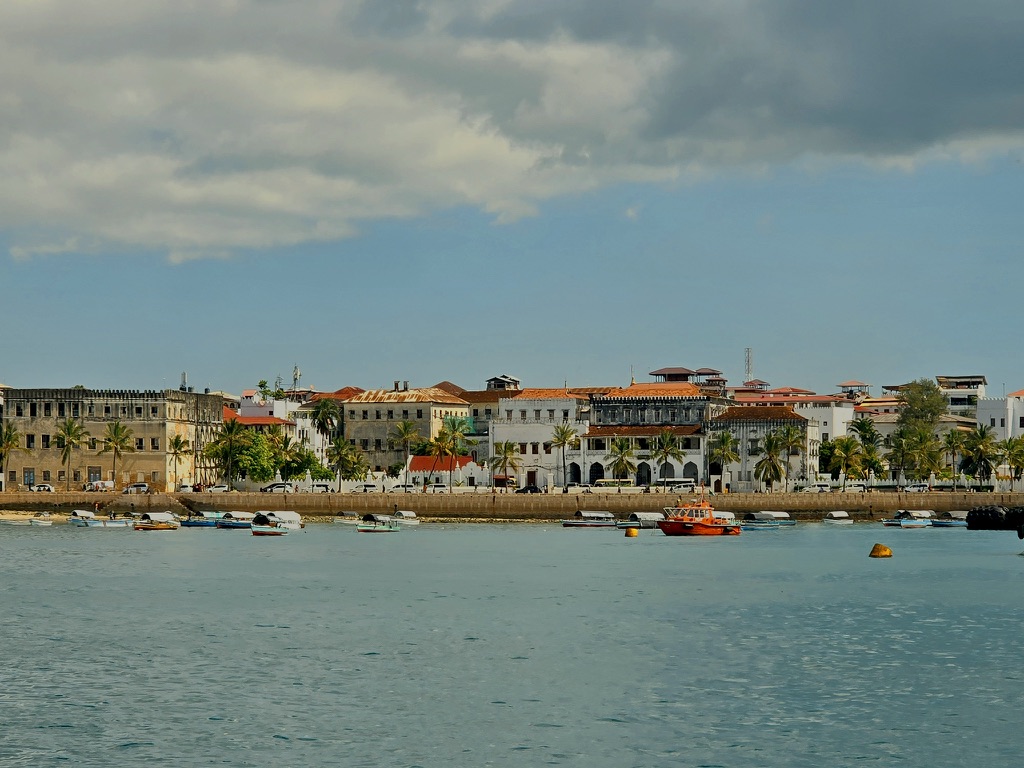
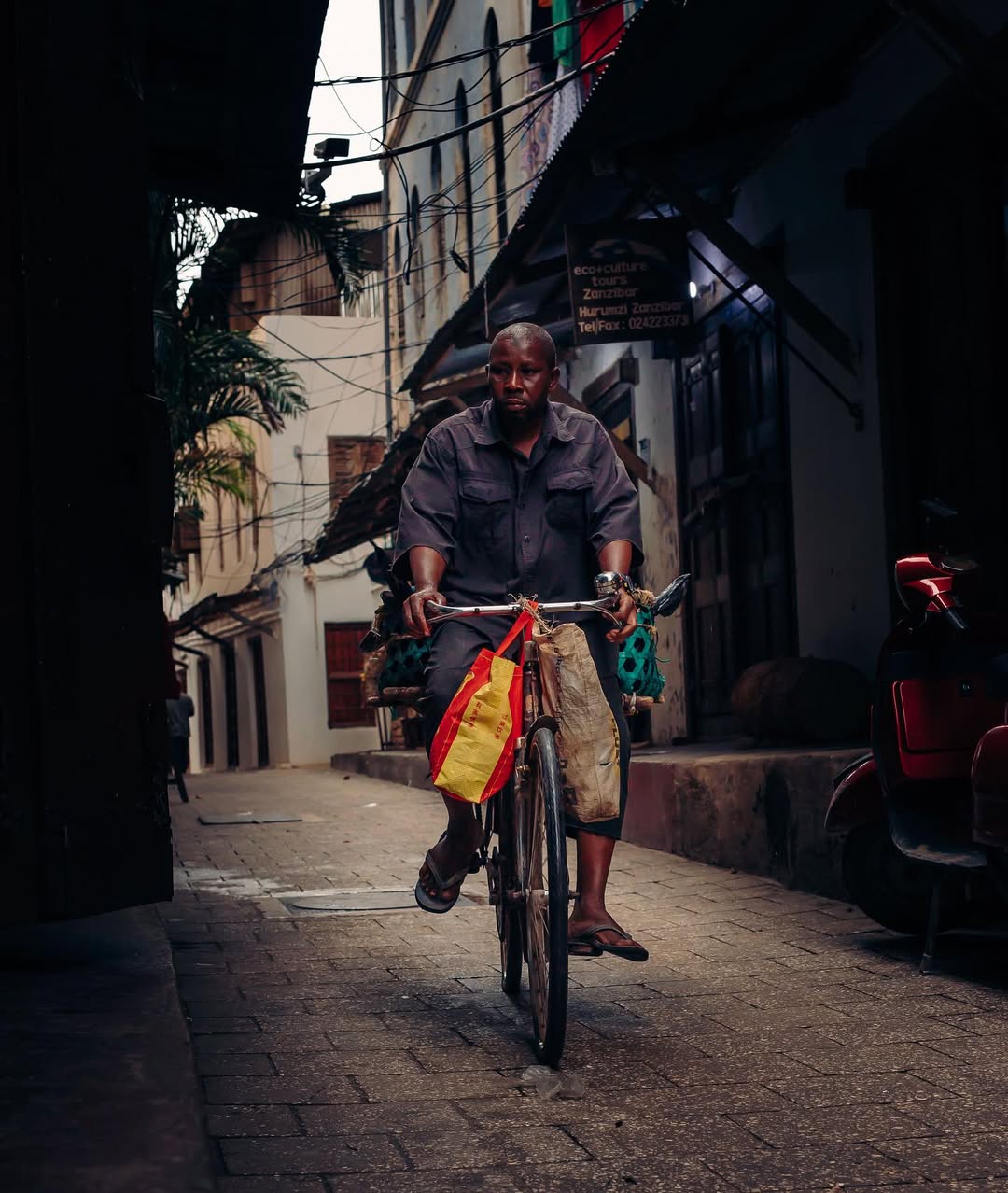
After breakfast, you will begin a guided tour of Stone Town, a UNESCO World Heritage Site. This is the best way to understand Zanzibar beyond the beach. A guide helps you read the town properly: the old doors, the narrow streets, the Arab and Swahili influence, the trading history, and the small details you would miss alone.
You will see Zanzibar’s famous wooden doors, known for their beautiful carvings and old architectural meaning. Some doors reflect Indian influence, some show Arab style, and some carry details linked to status, trade, and family history.
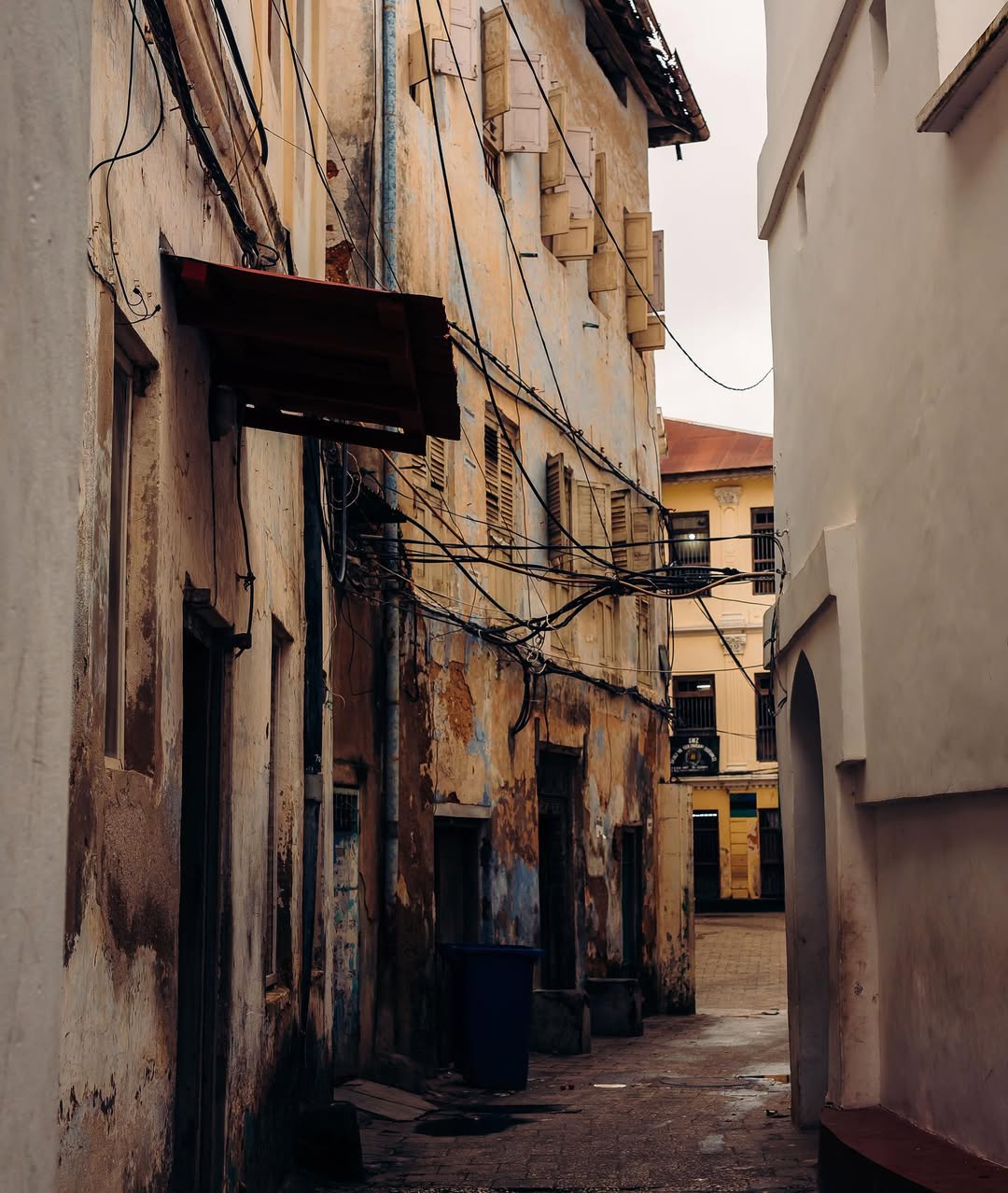
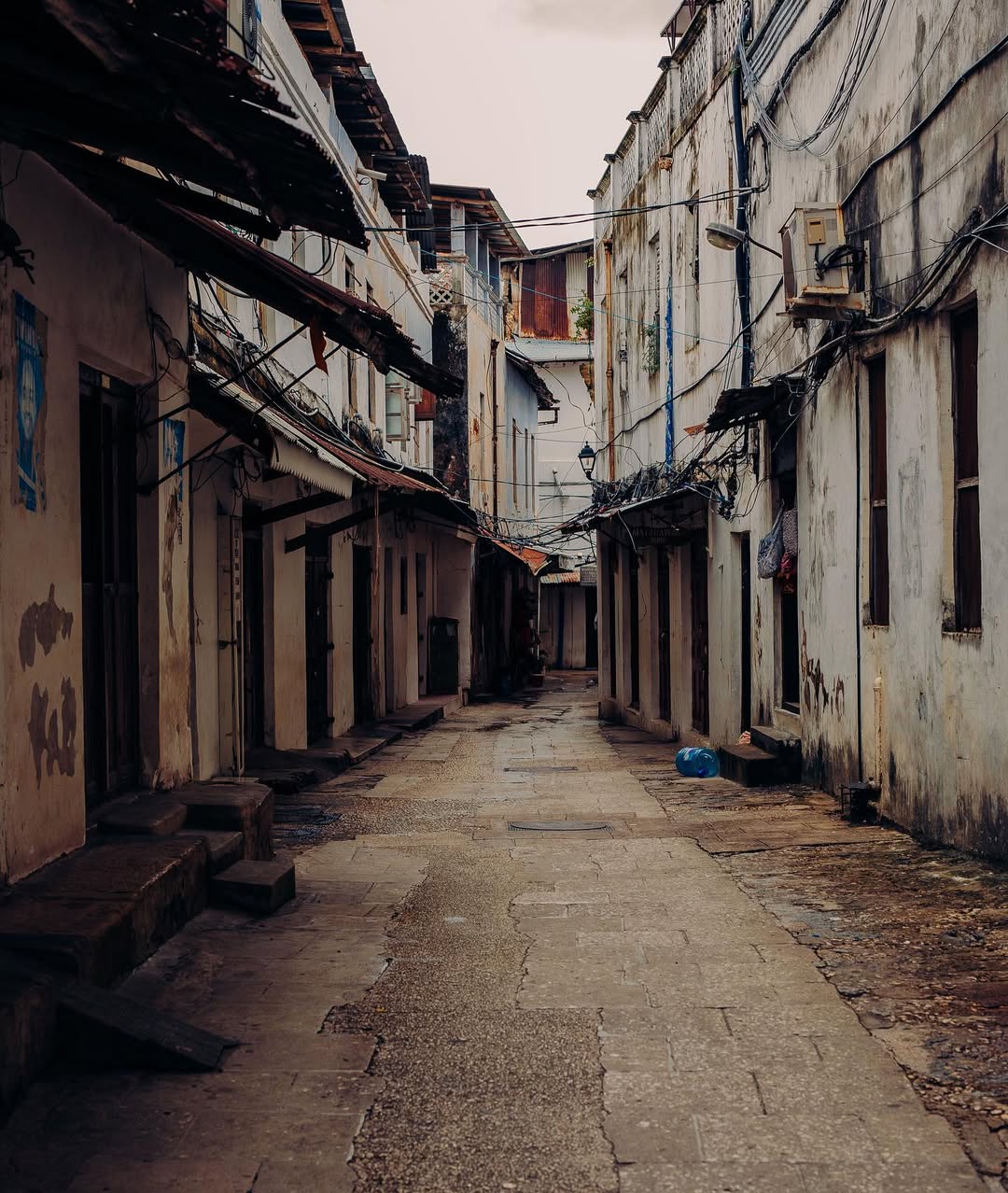
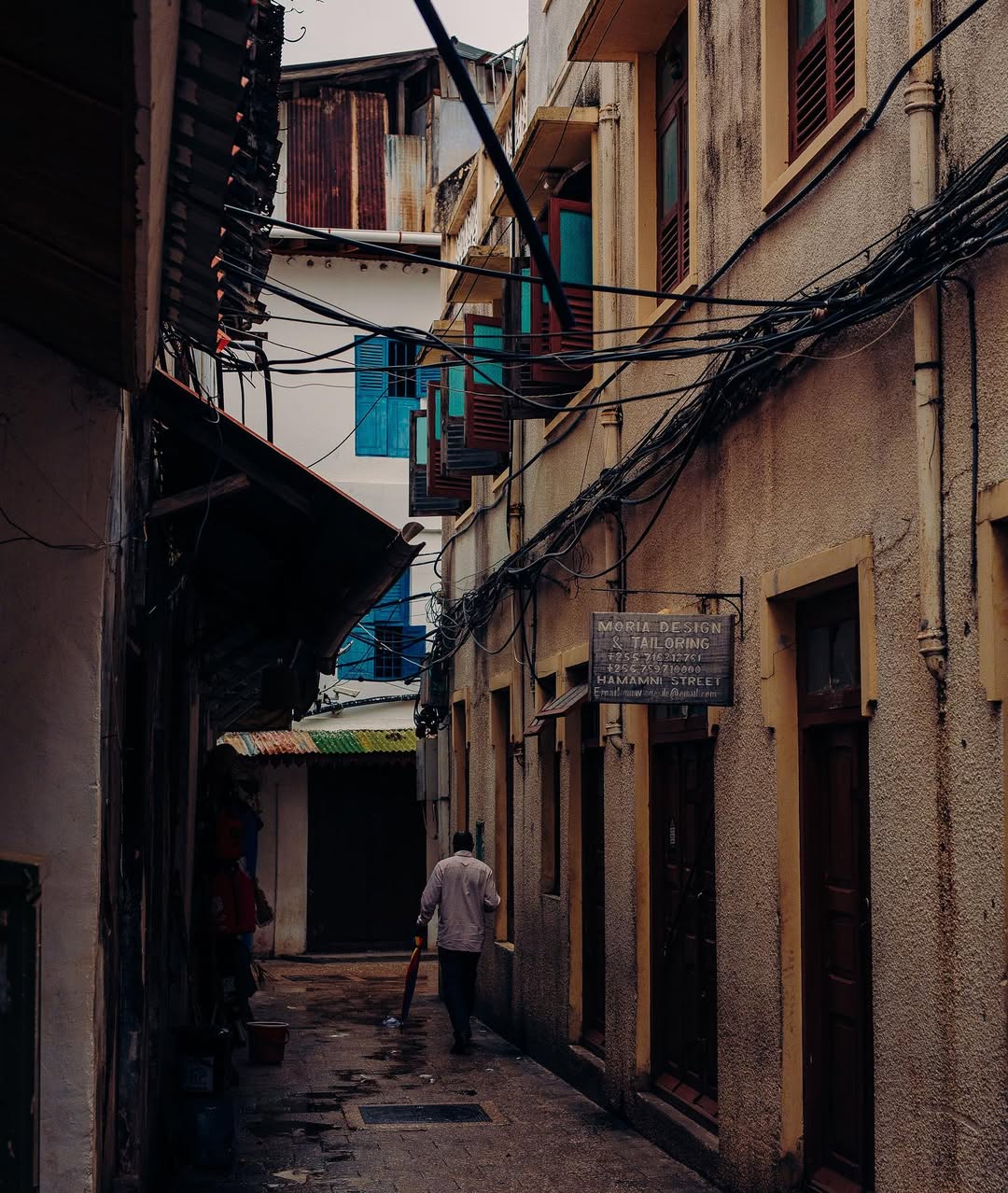
Stone Town is not a place to rush. The beauty is in the small turns: a hidden courtyard, a carved balcony, children walking home from school, a shop selling spices, the smell of grilled seafood, and the sound of life moving through old coral-stone buildings.
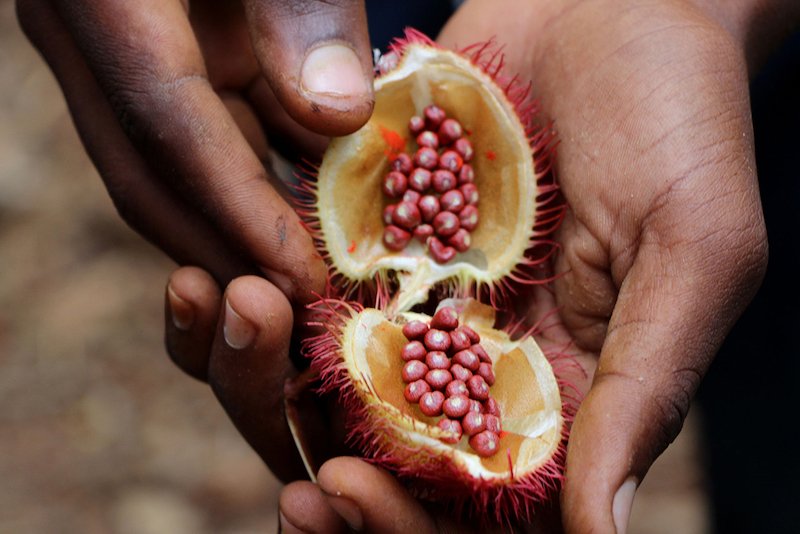
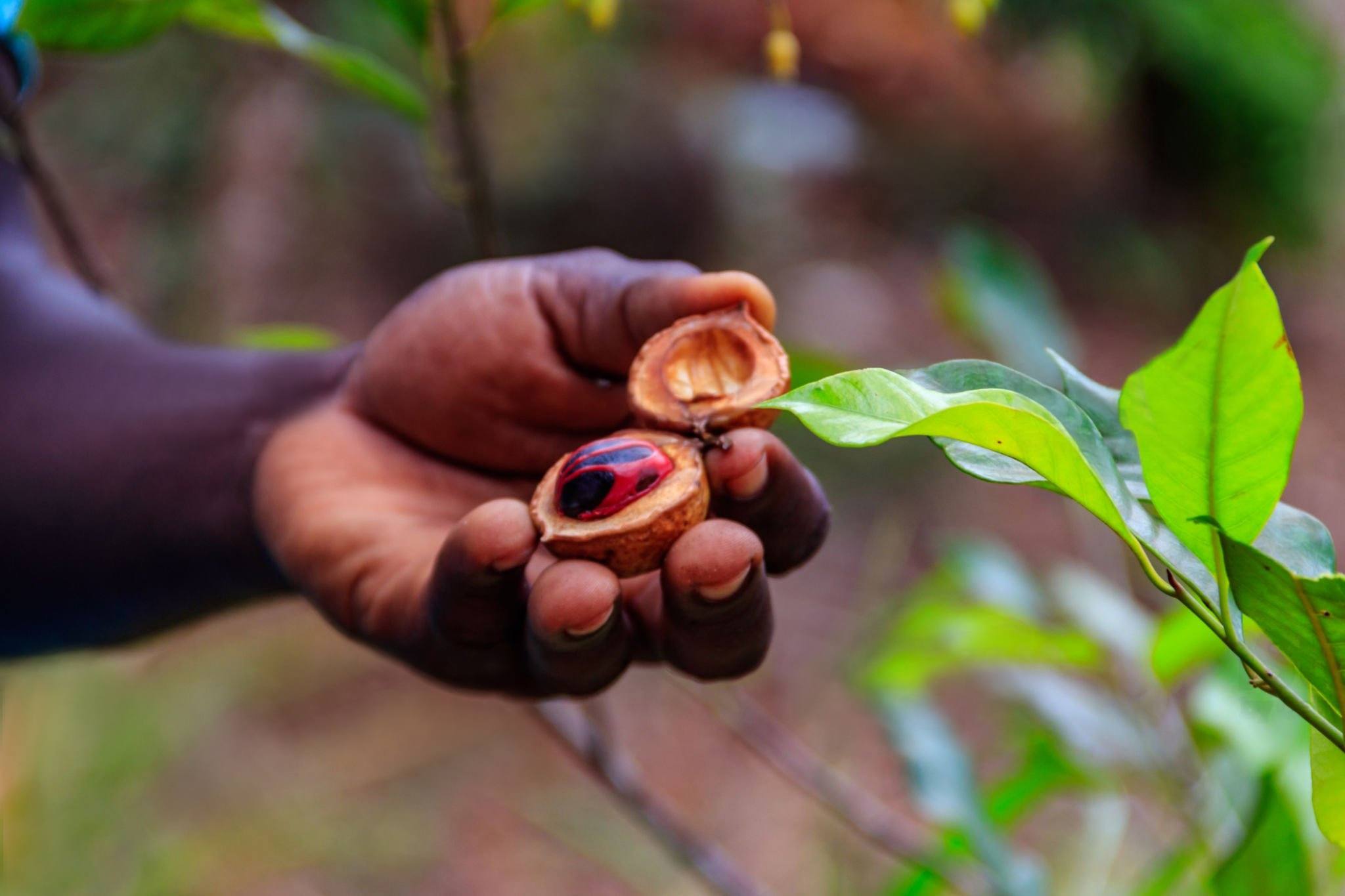
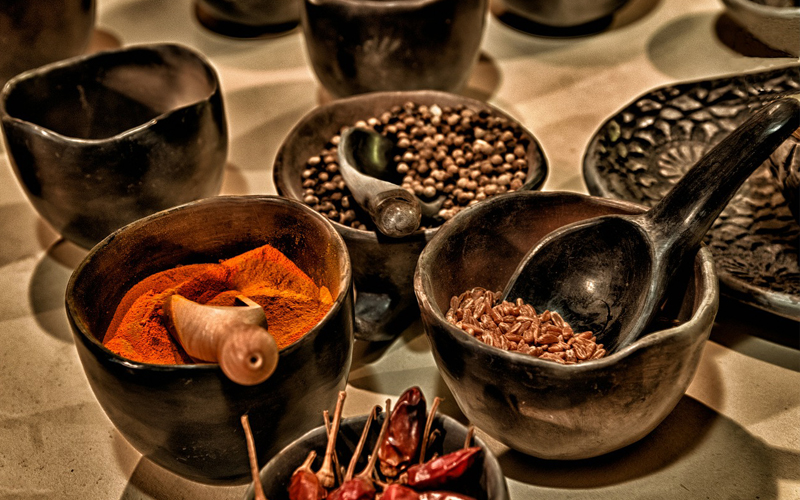
After lunch, you will continue to the countryside for a spice plantation tour. Zanzibar is famous as the Spice Island, and this visit helps you understand why. You may see, smell, and taste spices such as cloves, nutmeg, cinnamon, cardamom, turmeric, vanilla, and black pepper.
This is one of the best experiences for families and first-time visitors because it is simple, fun, and easy to understand. You do not just hear the name of a spice; you see how it grows.
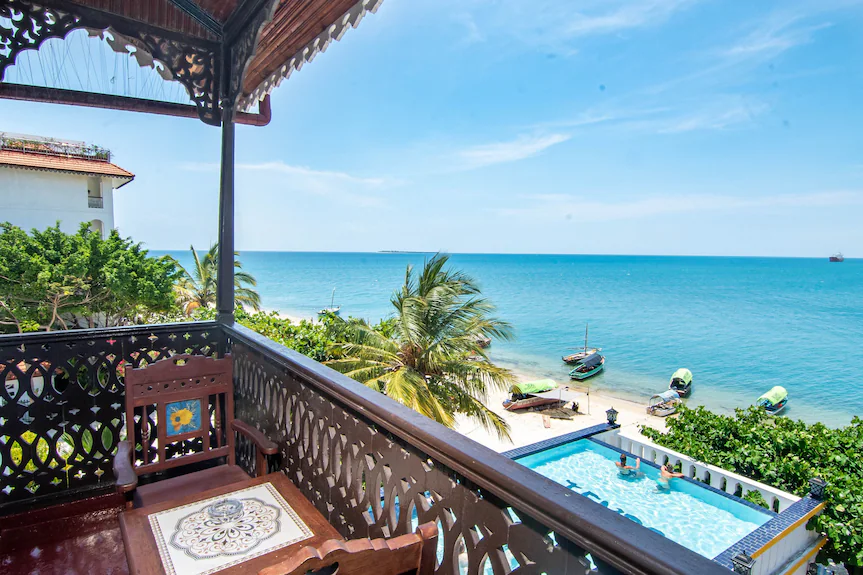
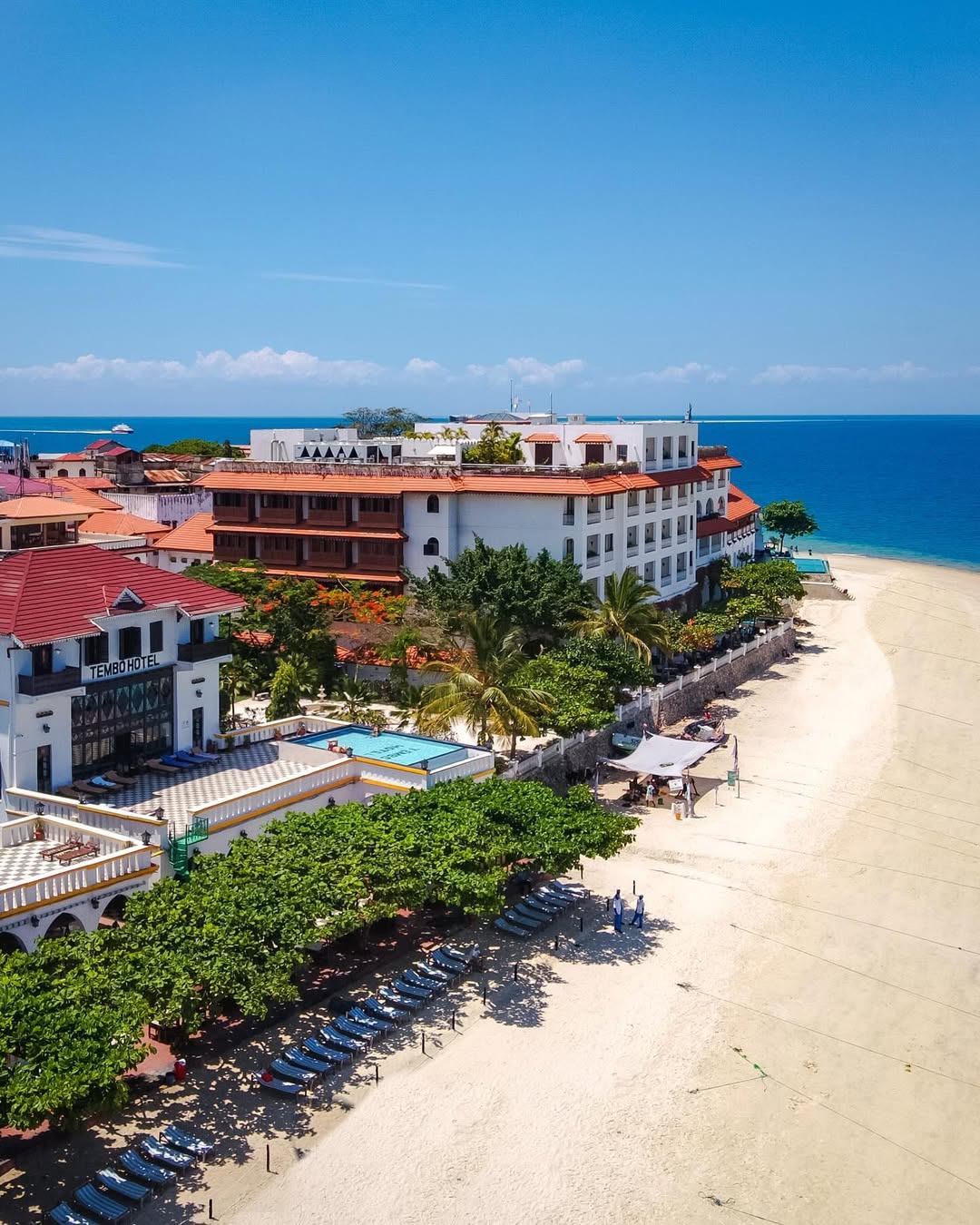
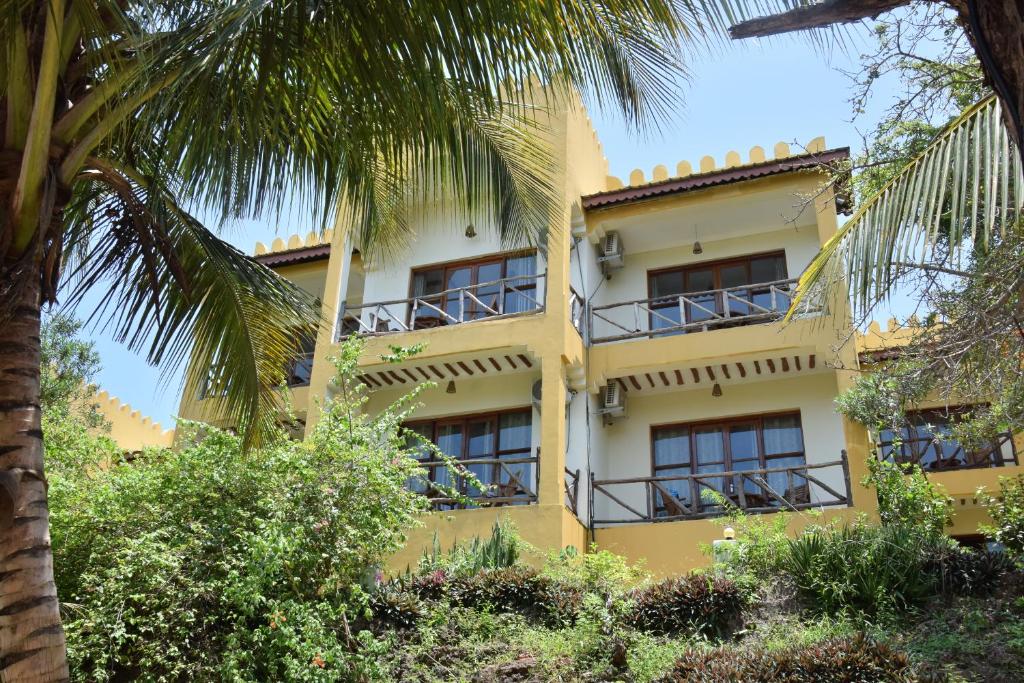
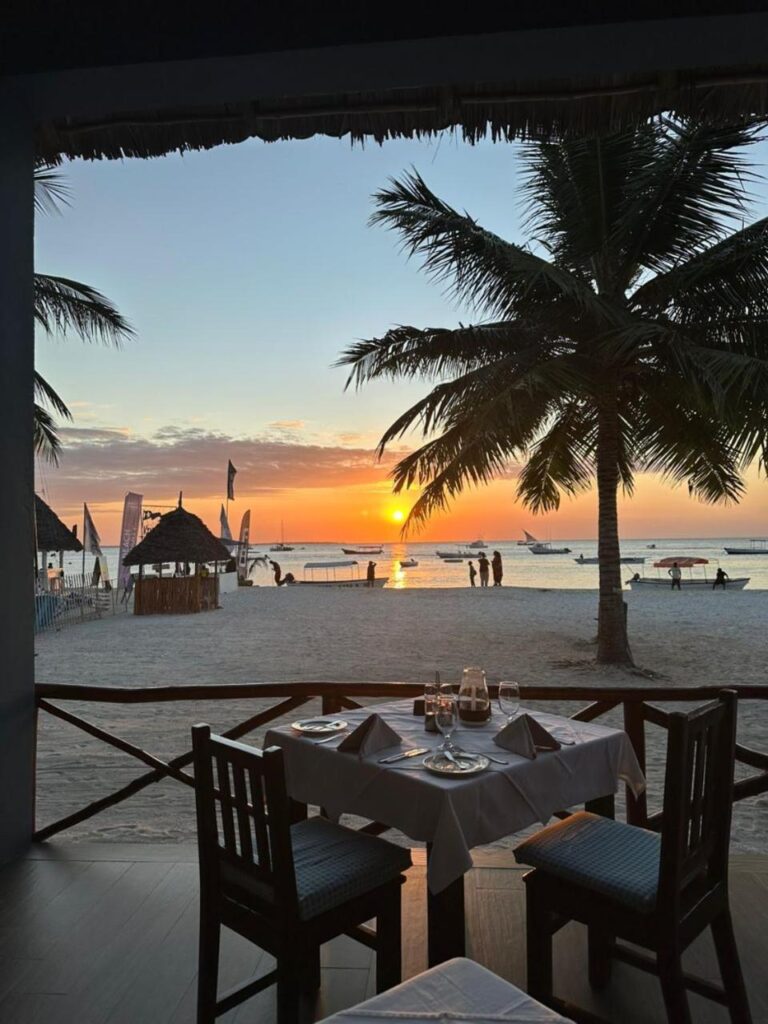
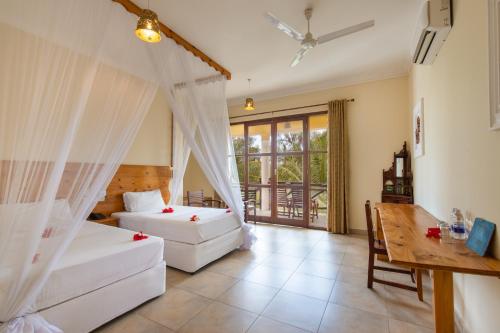
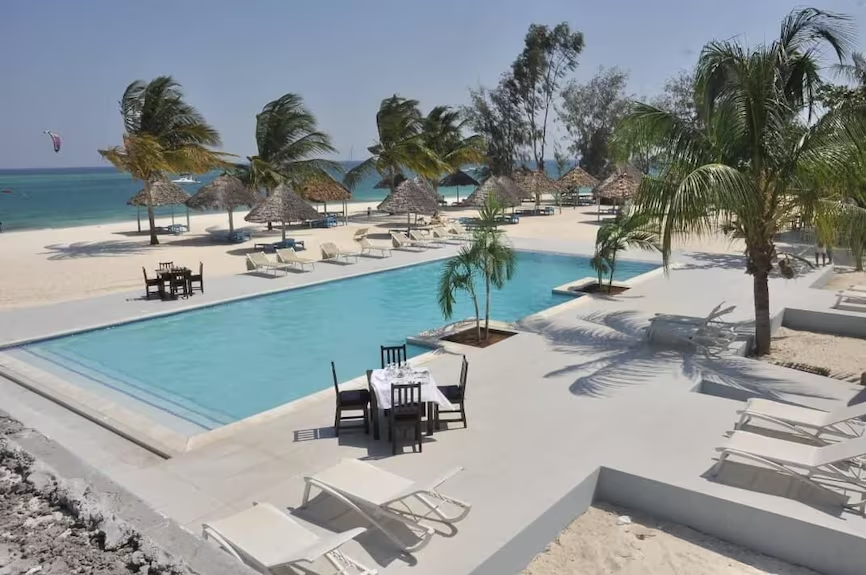
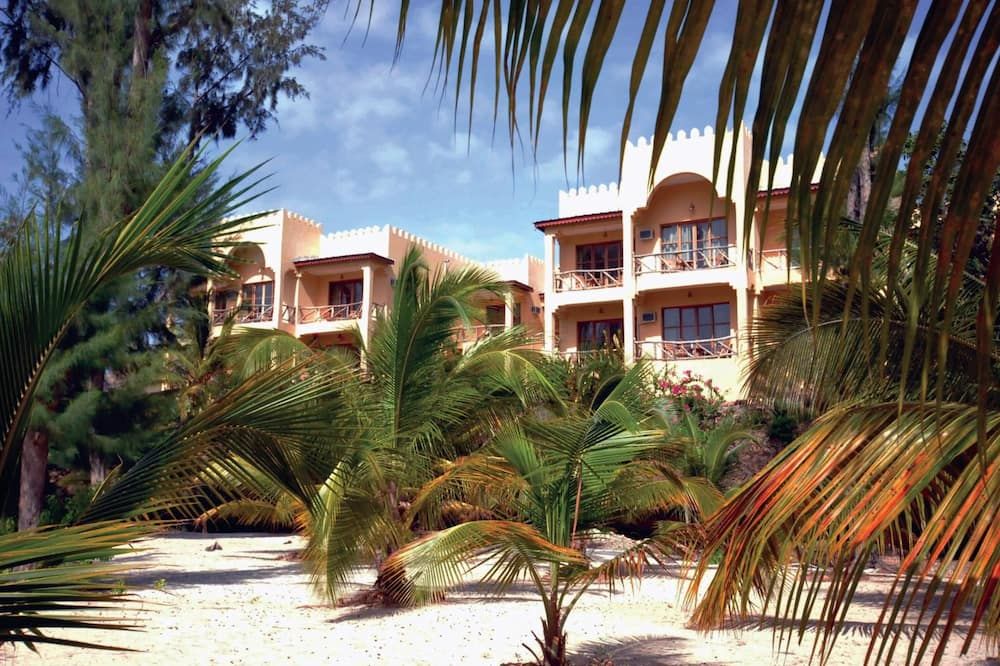
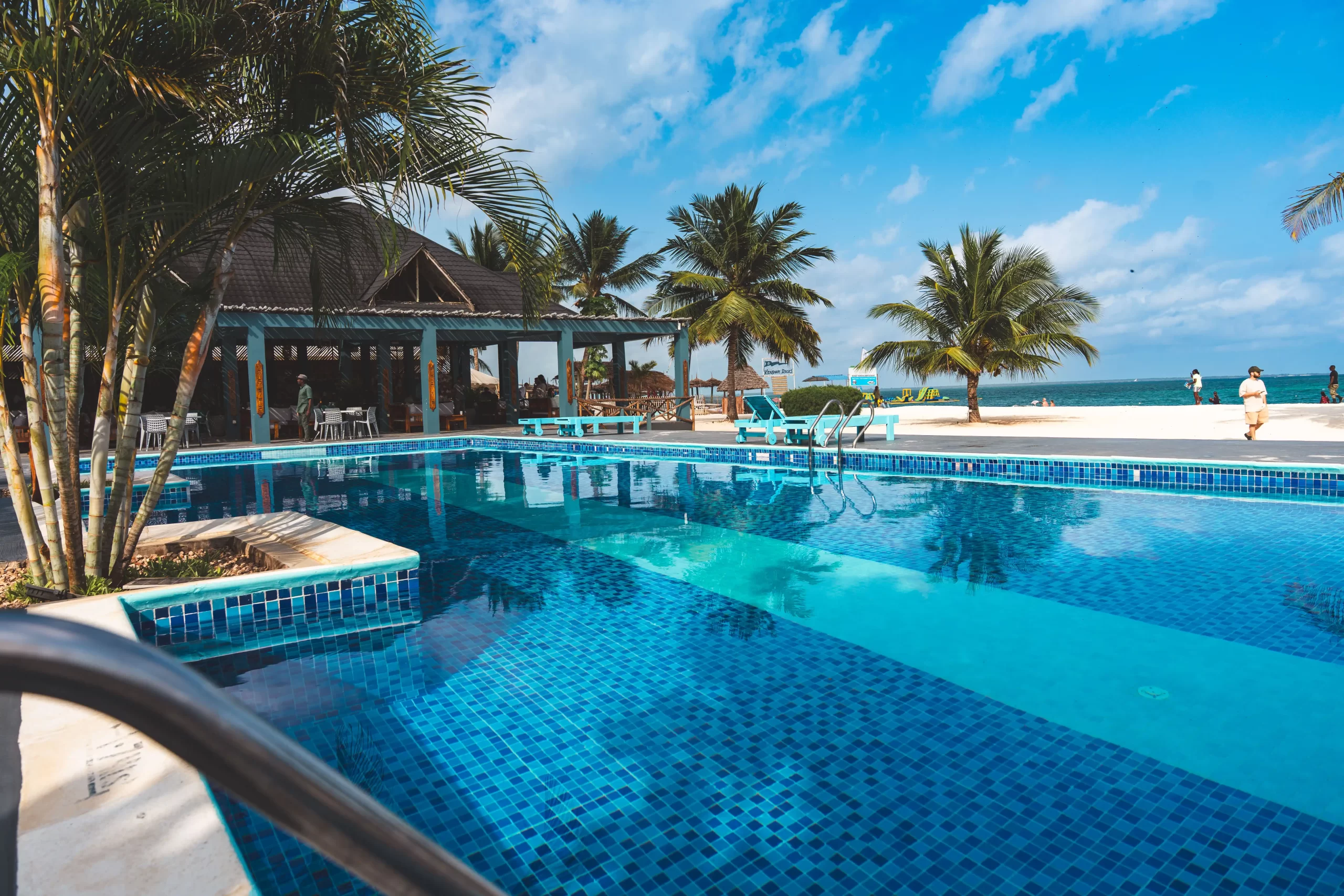
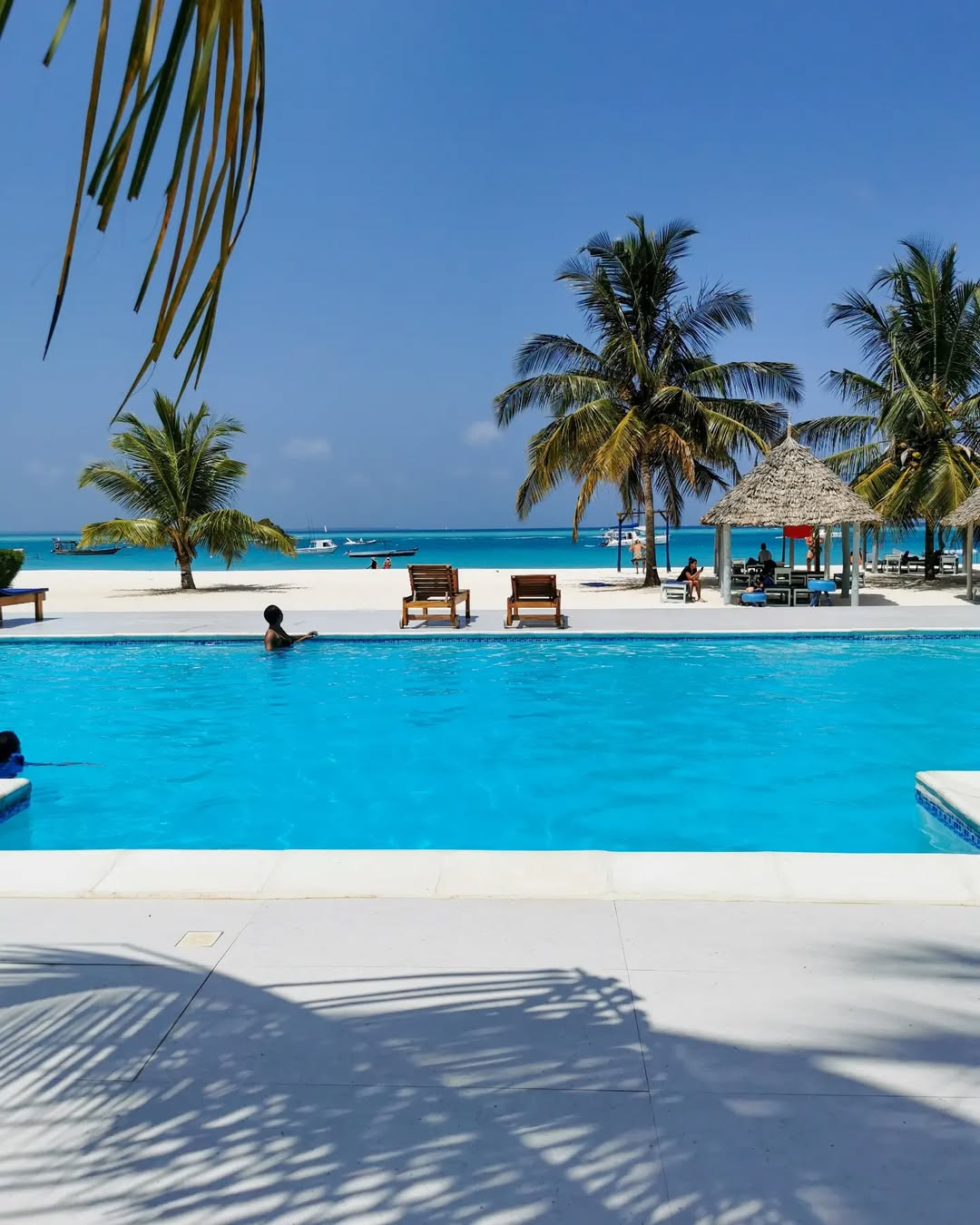
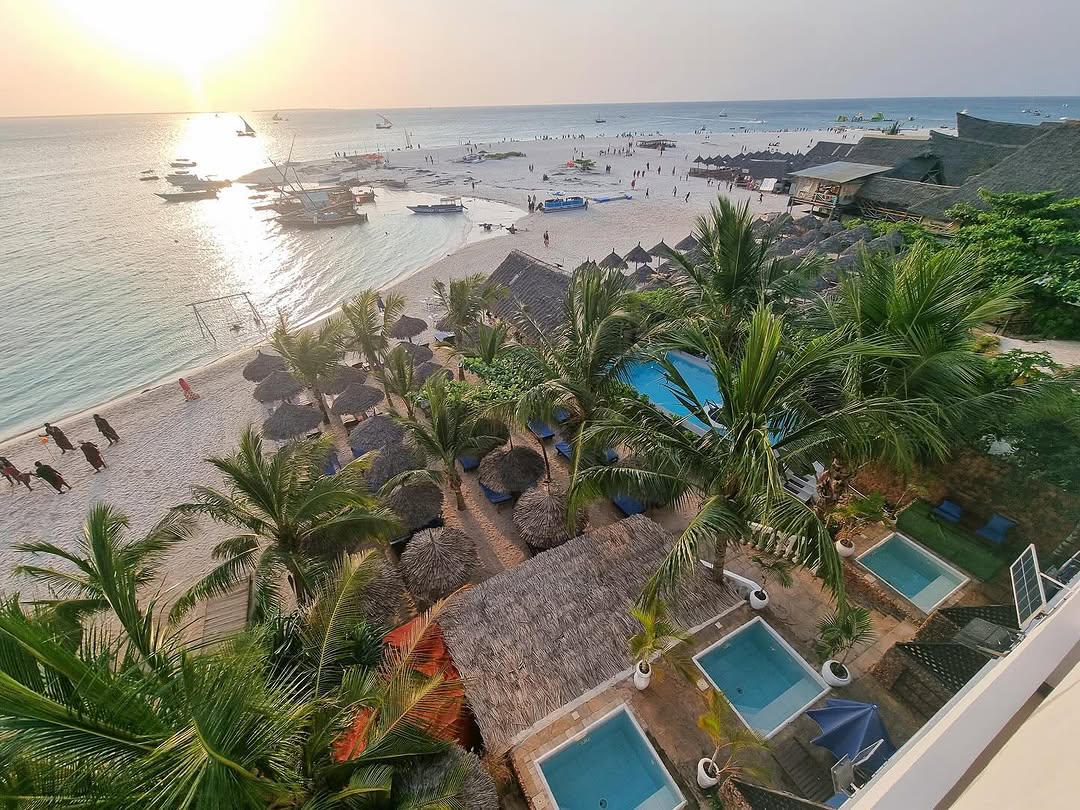
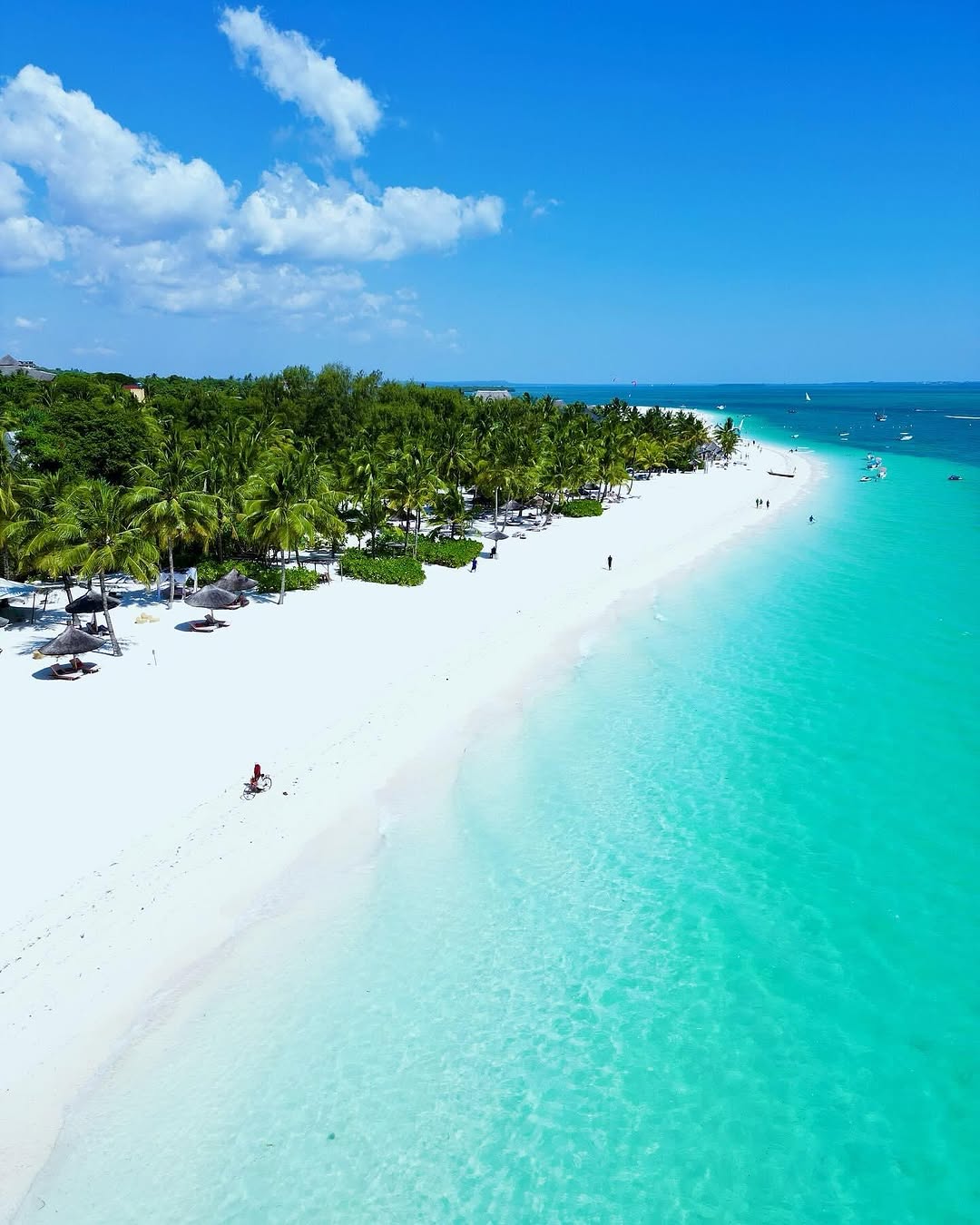
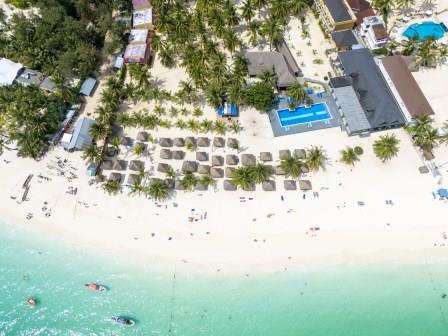
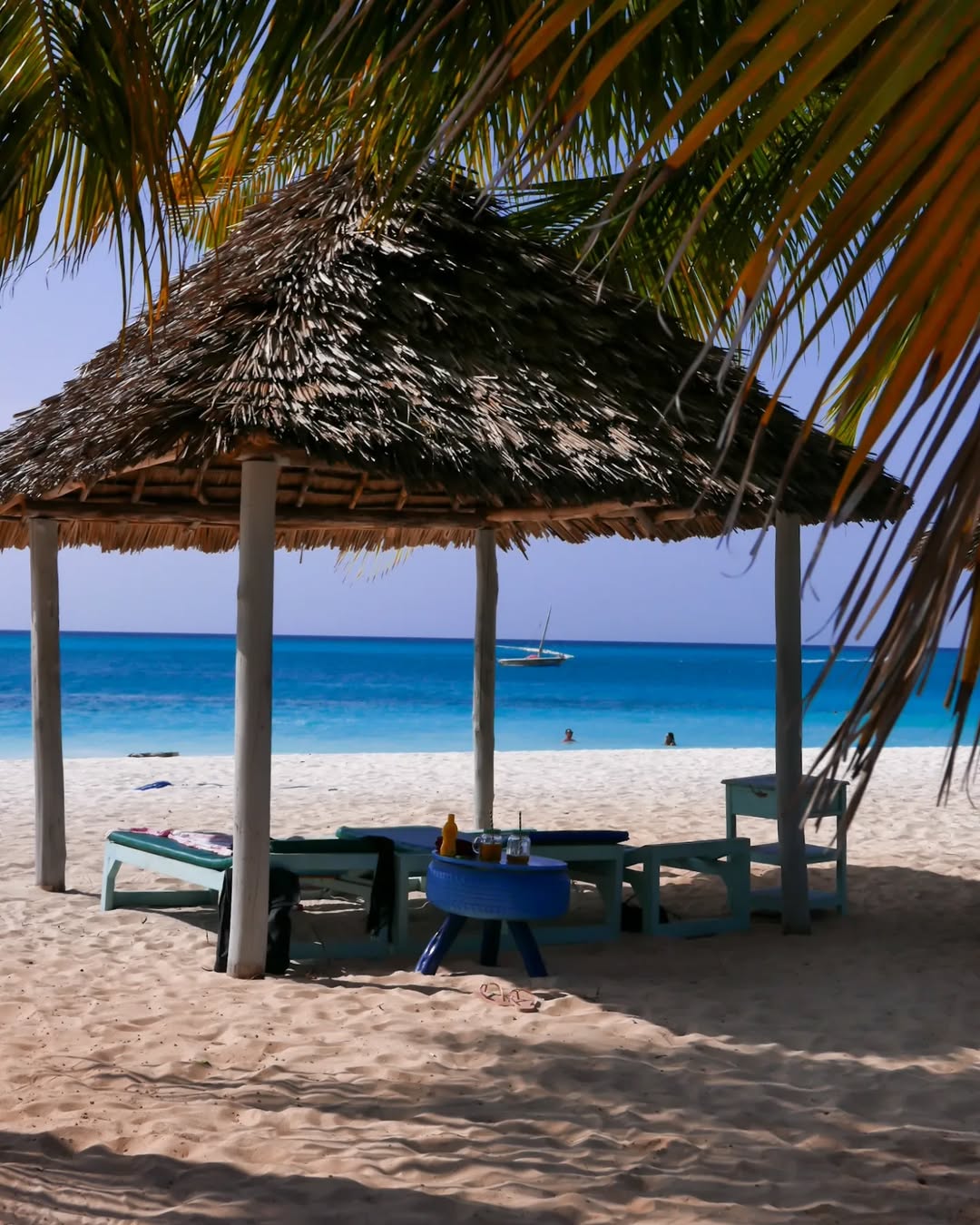
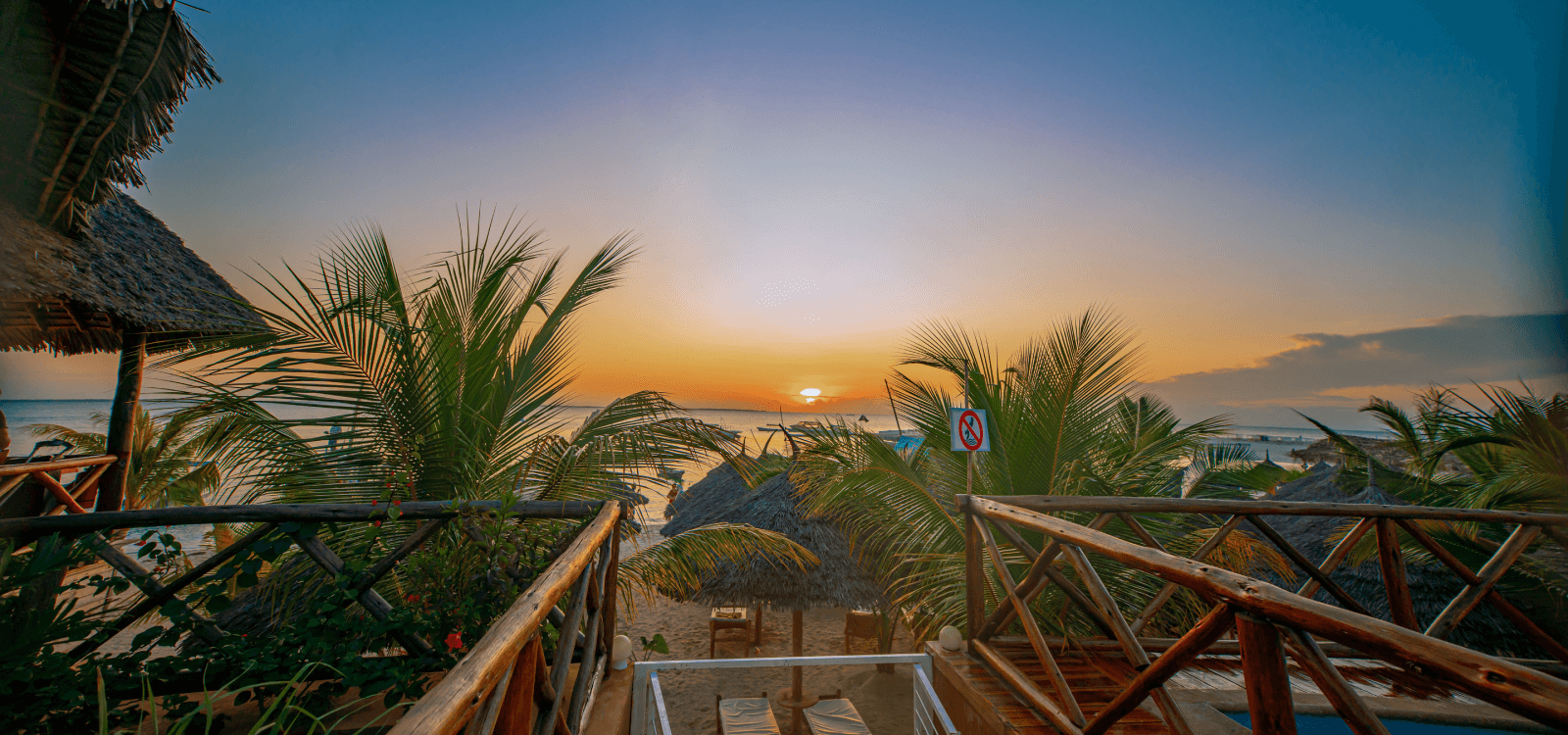
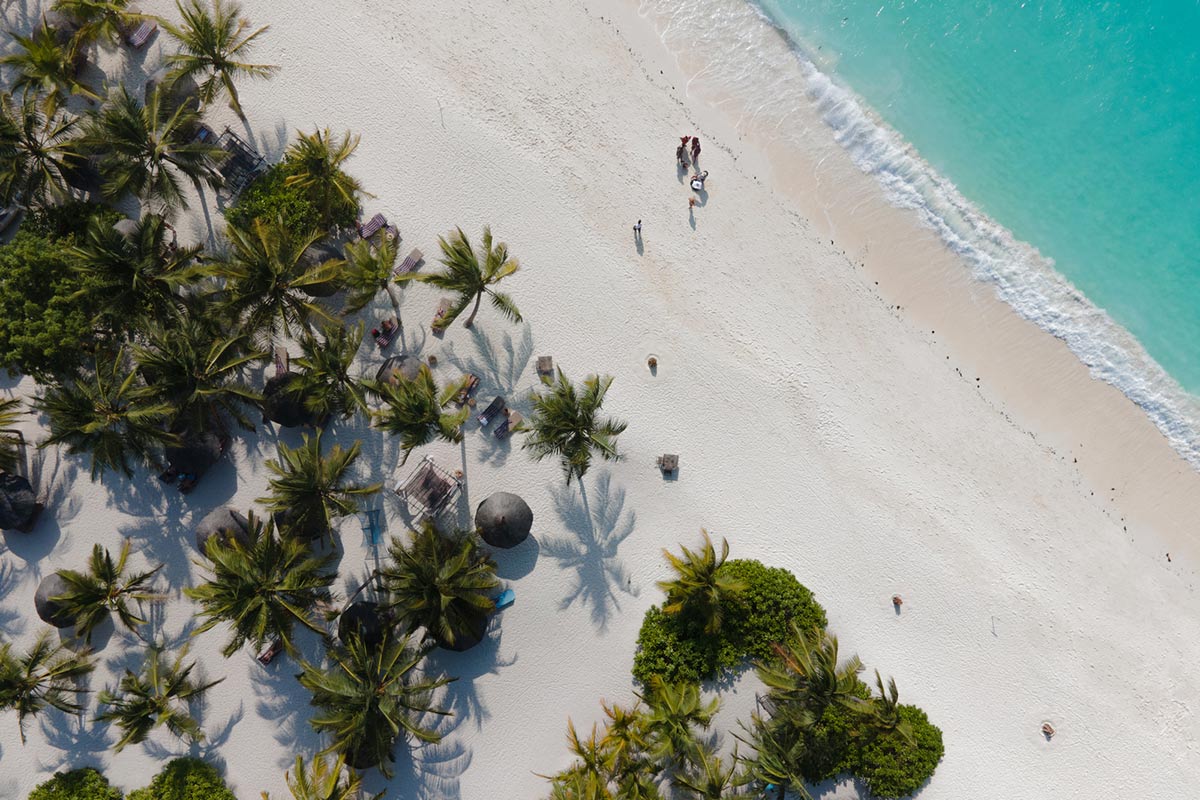
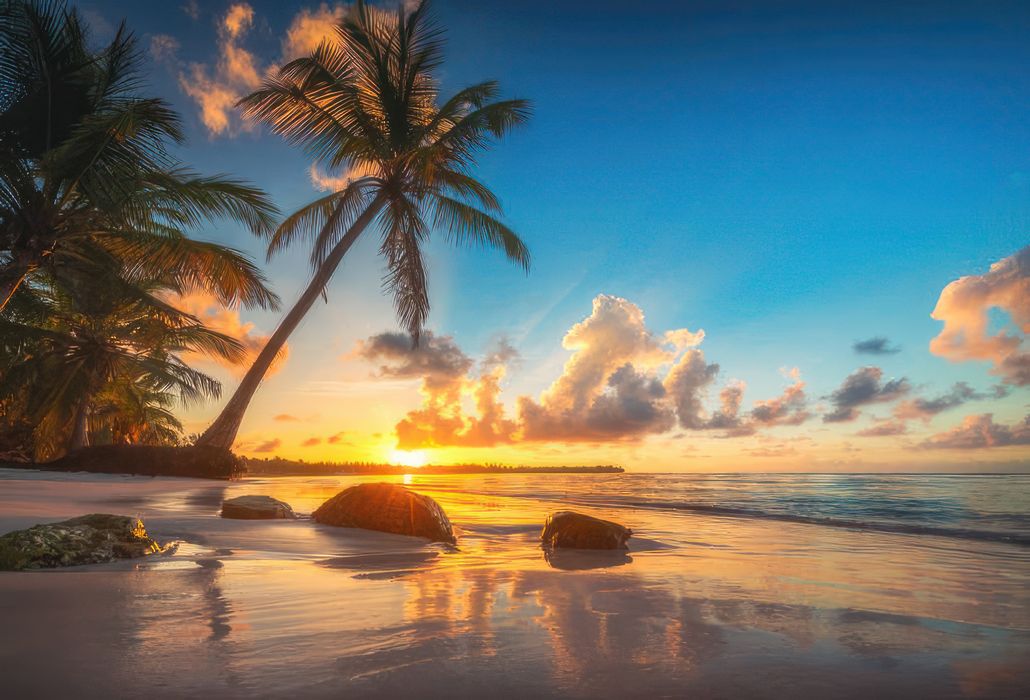
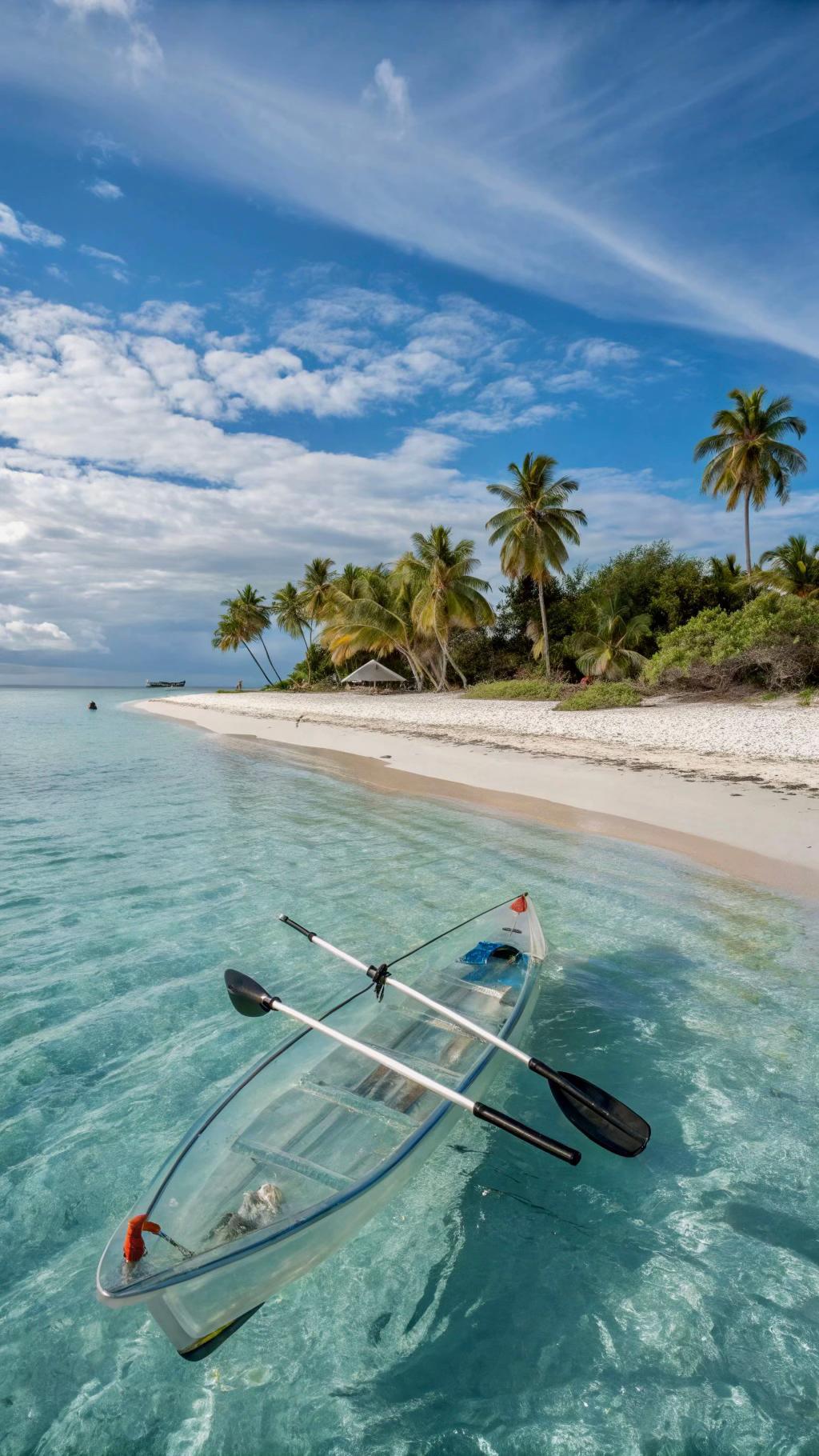
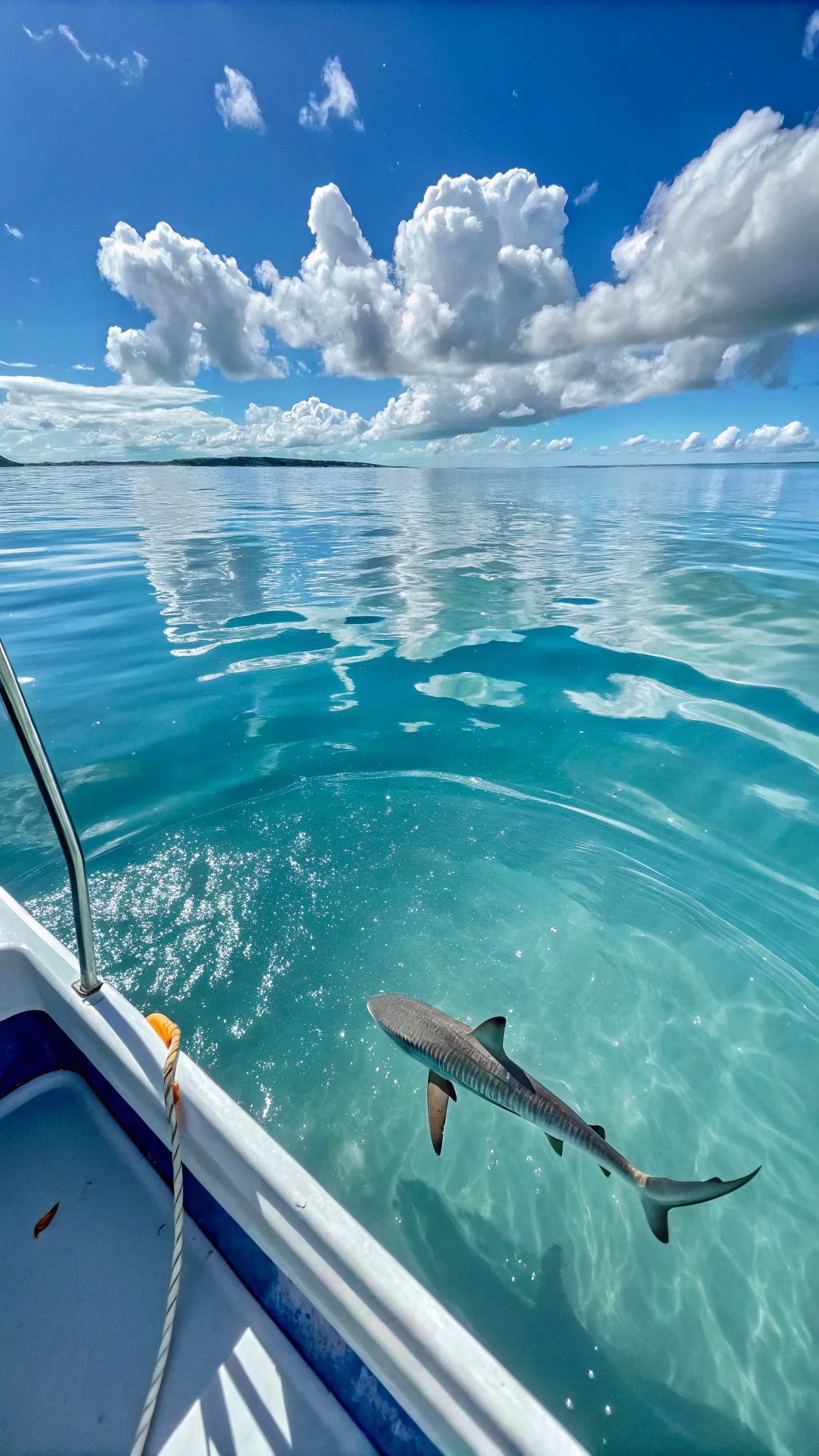
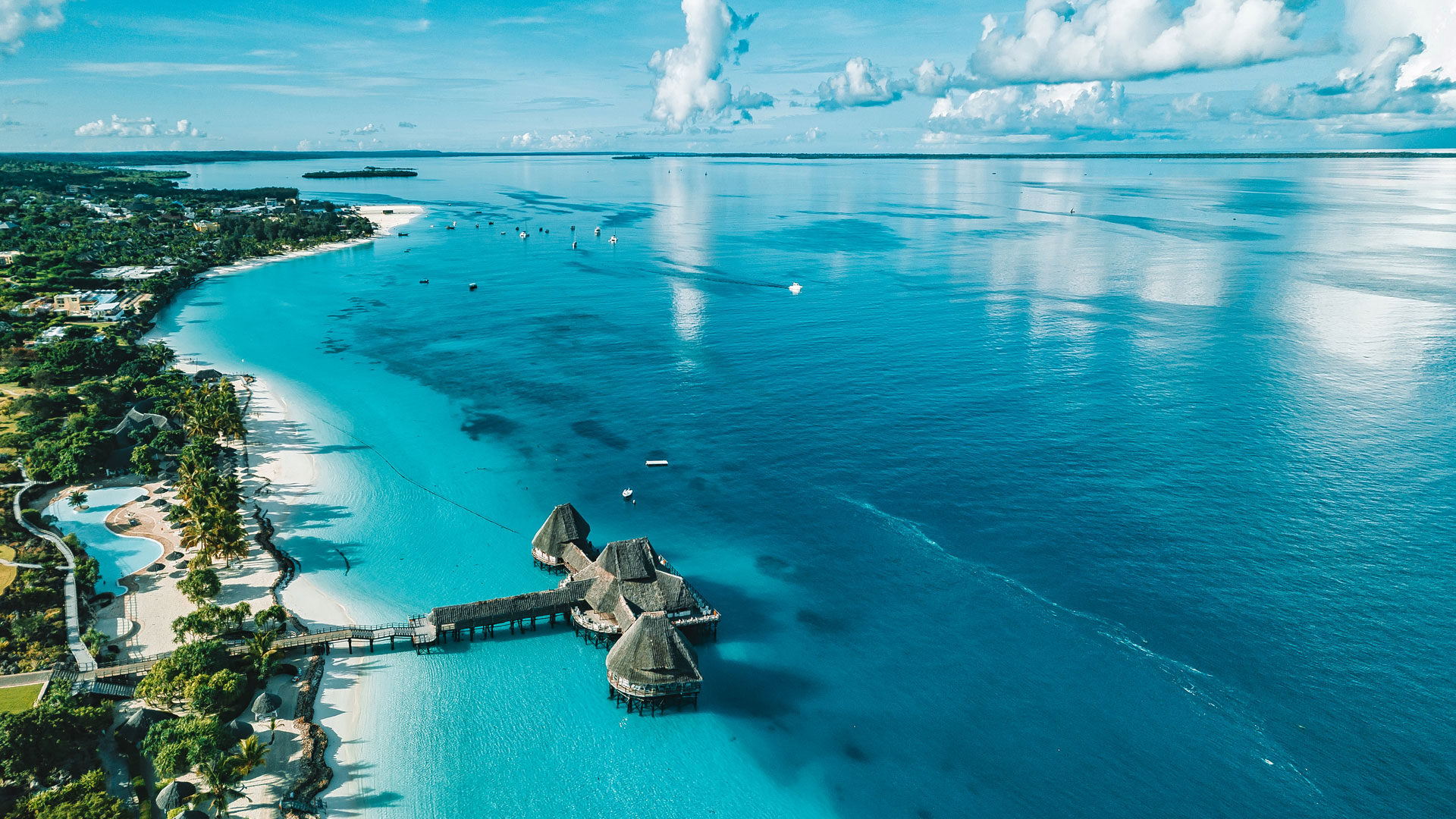
In the evening, you continue north to Kendwa Beach, one of Zanzibar’s most loved beach areas. Kendwa is known for white sand, clear water, calm swimming conditions, and beautiful sunsets.
Stone Town: What Makes It Special
Stone Town is special because it tells Zanzibar’s story through old streets, carved doors, markets, seafront buildings, and centuries of Indian Ocean trade culture.
Stone Town can look confusing at first. The streets are narrow, and many paths twist like a maze. But that is part of its charm. A guided walk makes the area easier to understand.
During the tour, you may see:
- Old carved Zanzibar doors.
- The seafront area.
- Historic buildings and narrow alleys.
- Local markets.
- Cultural and architectural landmarks.
- Places connected to Zanzibar’s trading past.
A mistake many travelers make is treating Stone Town like a quick photo stop. That is poor planning. The town is more powerful when someone explains what you are seeing. Without context, it is just old buildings. With context, it becomes the story of Zanzibar.
Spice Farm: The Countryside Side of Zanzibar
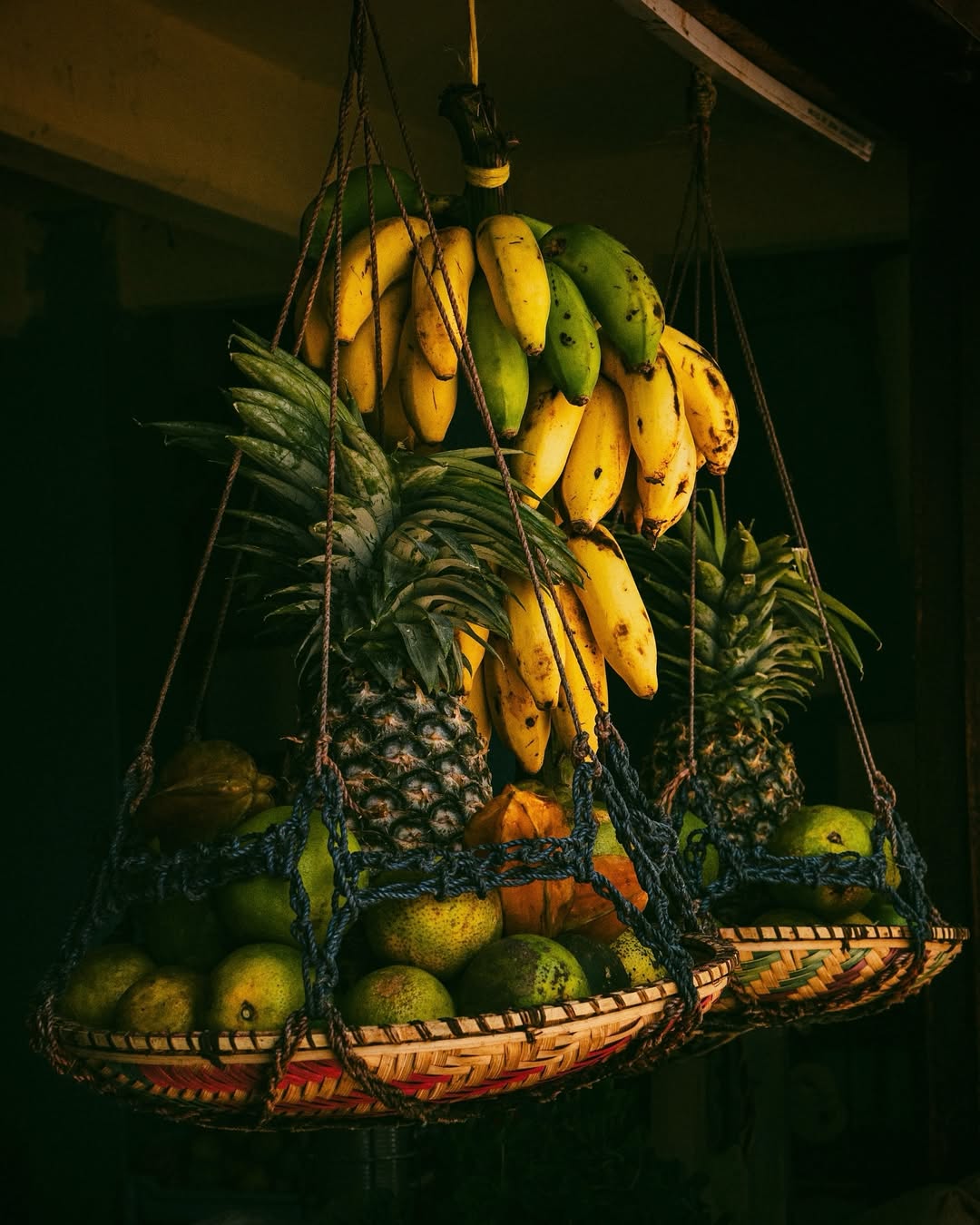
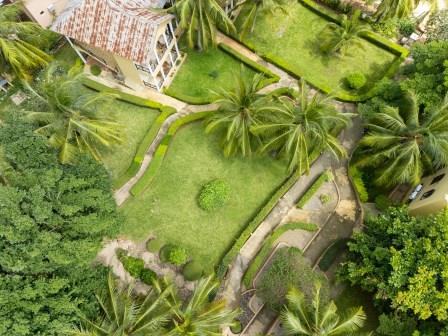
The spice farm experience shows why Zanzibar is called the Spice Island, with plants like cinnamon, cloves, nutmeg, vanilla, and tropical fruits growing in the countryside.
The spice plantation visit is relaxed and interactive. You walk through a farm, smell leaves, taste fruits, and learn how spices are used for food, medicine, culture, and trade.
For many clients, this becomes one of the most surprising parts of the trip. They expect the beach to be the highlight, then later they say, “The spice tour was actually very interesting.”
Local tip: wear light clothes and comfortable shoes. The spice farm is not difficult, but Zanzibar can be hot and humid. A small bottle of water, sunglasses, and a hat help a lot.
Why Kendwa Beach Is a Strong Choice
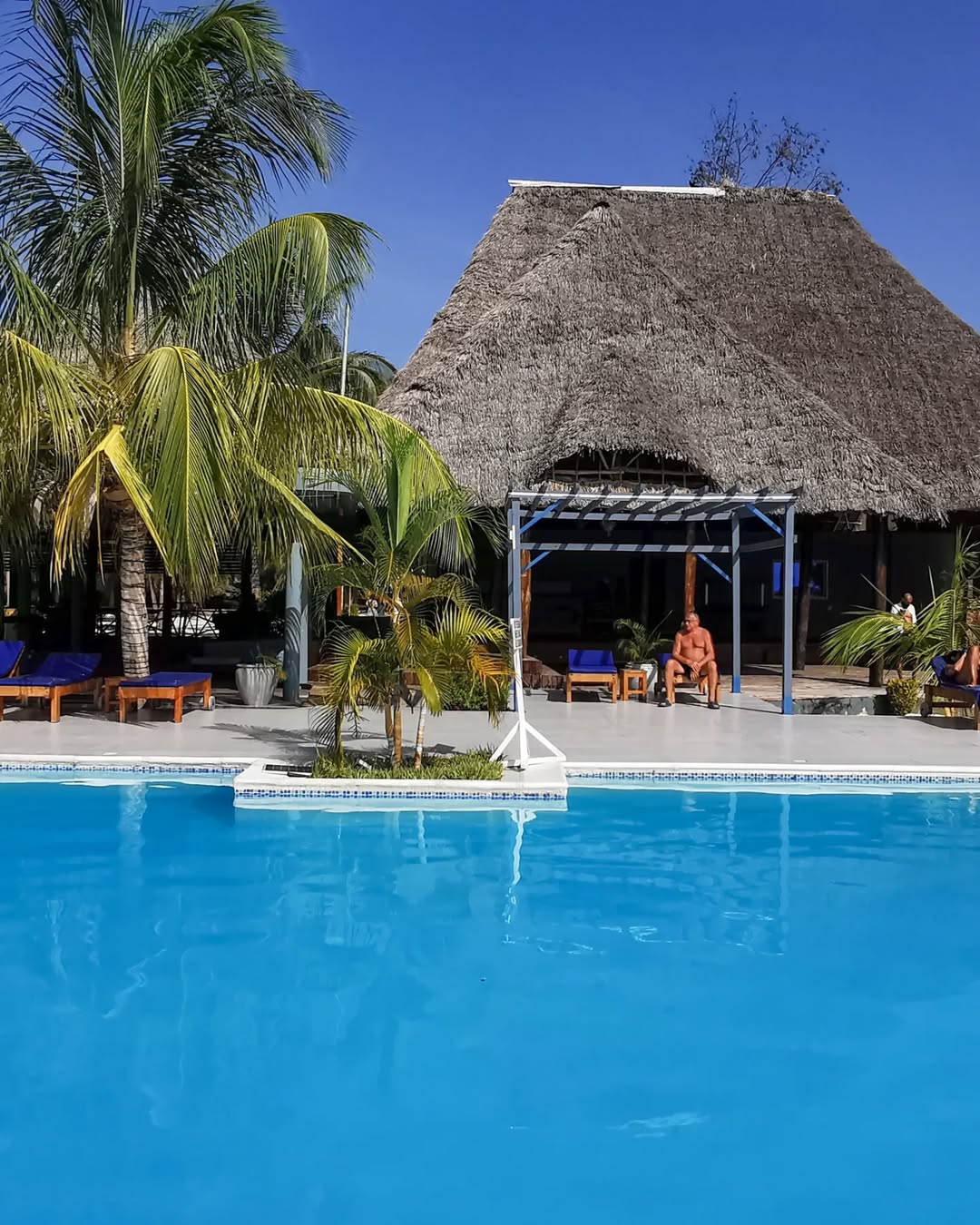
Kendwa Beach is one of Zanzibar’s best areas for swimming, sunsets, soft sand, and a relaxed beach holiday atmosphere on the northern coast.
Kendwa is different from many beaches in Zanzibar because swimming can be easier here compared to areas where the tide moves far out. This makes it a favorite for travelers who want simple beach enjoyment.
You can walk on the sand, swim, relax with a drink, take sunset photos, or just enjoy the ocean view without needing a busy activity schedule.
Our team often recommends Kendwa for short Zanzibar stays because it gives a strong beach feeling quickly. You arrive and immediately understand why people dream about Zanzibar.